
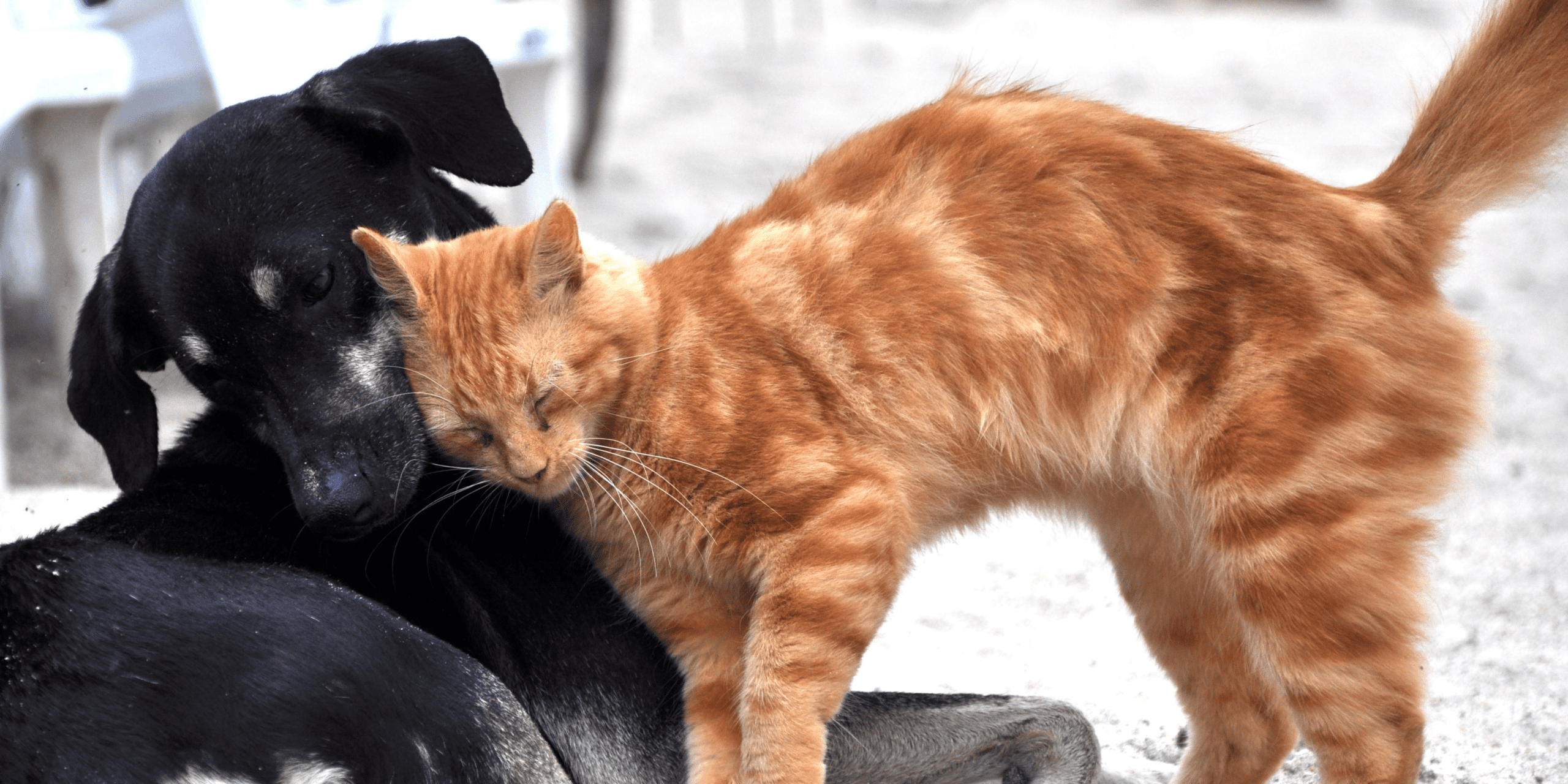
We understand the important role pets play in our residents’ lives. We are committed to creating a safe, inclusive, and respectful living environment for all our residents. That’s why we have clear policies in place to help balance the needs of pet owners with the responsibilities of maintaining our homes and communities.
Permission
Permission is not required to keep small, caged birds (e.g. budgerigars), fish in tanks or small caged mammals (e.g. hamsters, gerbils ). Households may not keep any other animal(s) unless they have Broadland’s prior written permission.
Application process
To request permission for a pet, a resident must complete the Pet’s permission form We will respond to your request to keep a pet within 10 working of you submitting the application.
Pets Permission Request Form
Pets we will not grant permission for
We do not grant permission for residents to keep the following pets:
- Any Dogs classified under the Dangerous Dogs Act 1991. The exception being XL Bully dogs that were already in situ, have caused no issues and have an exemption certificate.
- Any animals that would require a licence under the Dangerous Wild Animals Act 1976.
- Any endangered species
- Bees
- Roosters
- Livestock (including pigs, horses, sheep and cattle)
We will consider granting permission for a small number of chickens or domestic fowl. This will be considered on a case-by-case basis.
Number of pets
The number of pets permitted in a property will be considered on a case-by-case basis. As a general guideline, we will normally allow no more than two dogs and two cats per household.
Pet owner responsibilities
Residents who are granted permission to keep pets in their homes are expected to uphold the following responsibilities to ensure the wellbeing of their animals, the safety and comfort of neighbours, and the maintenance of communal living standards:
- Residents must ensure written permission is obtained to keep the pet before they acquire the animal.
- Pet owners must ensure their animals are cared for in accordance with the Animal Welfare Act 2006, including providing adequate food, water, shelter, exercise, and veterinary care.
- Pet owners are responsible for any damage caused by their animals to the property, fixtures, fittings, or communal areas. Broadland Housing will recharge residents for any damage caused.
- All cats and dogs must be microchipped and registered in accordance with UK law.
- Animals must be kept under control at all times. Dogs must be kept on a lead in communal areas and must not be allowed to roam freely.
- Animal waste must be promptly and properly disposed of. Fouling in internal communal areas is strictly prohibited.
- Animals must not be kept in communal areas or on balconies
- Animals must not cause nuisance, alarm, or distress to neighbours or visitors. This includes excessive noise (e.g., barking), aggressive behaviour, or damage to property.
- Animals must not be kept for the purposes of breeding or sale
Thinking of making changes to accommodate your pet?
We understand that some residents may wish to make adjustments to their home to better suit their needs. However, all property alterations or improvements must receive prior written approval from Broadland before any work is carried out.
Examples of pet-related installations that require permission include:
- External kennels, catteries, or chicken coops
- External aviaries
- Cat or dog flaps
- Garden ponds
- Additional fencing
To ensure your plans meet safety and tenancy standards, please refer to our full guidance on property alterations here
Who to contact if there are issues
- Contact Broadland Housing Association for general pet-related concerns, such as noise complaints, pet fouling, or permission to keep a pet.
- Contact the RSPCA or on 0300 1234 999 if you suspect an animal is being neglected, abused, or kept in poor conditions.
- Contact the Police if a pet poses an immediate danger to people (e.g. aggressive or out-of-control dogs), or if there is a breach of the Dangerous Dogs Act.
- Contact your Local Authority for issues such as:
- Persistent dog fouling in public areas (non-Broadland land).
- Stray dogs or animals
What is the new Cat Law in 2024? Is Microchipping Compulsory?
By law, all pet cats in England must be microchipped before they reach the age of 20 weeks, except for unowned cats like feral and community cats. Indoor-only cats must be microchipped as well. As part of the new rules, you must keep your contact details up to date on a Defra-approved microchipping database.
According to the new law, all pet cats should have been microchipped by 10 June 2024. If you missed this deadline and didn’t take action to have your cat microchipped within the 21 days following it, you may face a fine of up to £500.